
Salsa Vida presents
Bachata Dance:
Complete
Overview & Guide
Discover the Dominican music and dance, compare bachata styles, learn your first steps, and find classes and social dancing near you.
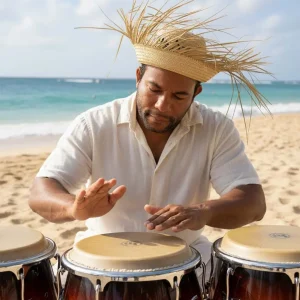
What Is Bachata Dance?
Bachata is a social partner dance from the Dominican Republic, known for its rhythmic steps and hip movement. A common beginner basic follows three steps and a tap: 1, 2, 3, tap; 5, 6, 7, tap.
Bachata is typically danced with a partner, with a lead and follow both responding to the music. You’ll also see solo dancing and choreographed solo and team performances. The dance can take on many moods, from playful footwork and lively turns to smooth, romantic movement. Partners may dance with space between them or in a closer hold, depending on the style, the music, and what feels comfortable for both.
Bachata is also the name of the music. Its bright guitars, percussion, and songs about love and heartbreak give the dance its character. The music and dancing grew together in Dominican communities before spreading around the world.
You can start with a simple side-to-side basic, then explore new directions, turns, and rhythms as you improve. Jump to the beginner lesson if you want to try your first steps now.
The Different Styles of Bachata Dancing
Three useful names to know are traditional or Dominican bachata, bachata moderna, and sensual bachata. They share roots, but emphasize different parts of the dance. Note that teachers may use these labels a little differently, and social dancers often mix elements from several styles.
Bachata style guide
Three styles to recognize
Watch the examples and notice the footwork, turns, and body movement.
History of Bachata Dance
From Dominican gatherings to a global dance
Bachata’s story began with Dominican music and everyday social dancing. Here are a few moments that helped it travel.
Dominican roots
Music for everyday life
Bachata grew from guitar-based music, especially bolero, a romantic song tradition, with influences from other Caribbean genres. The word bachata once referred to an informal party or gathering. The music became closely tied to working-class Dominican life, even while wealthier listeners often looked down on it.
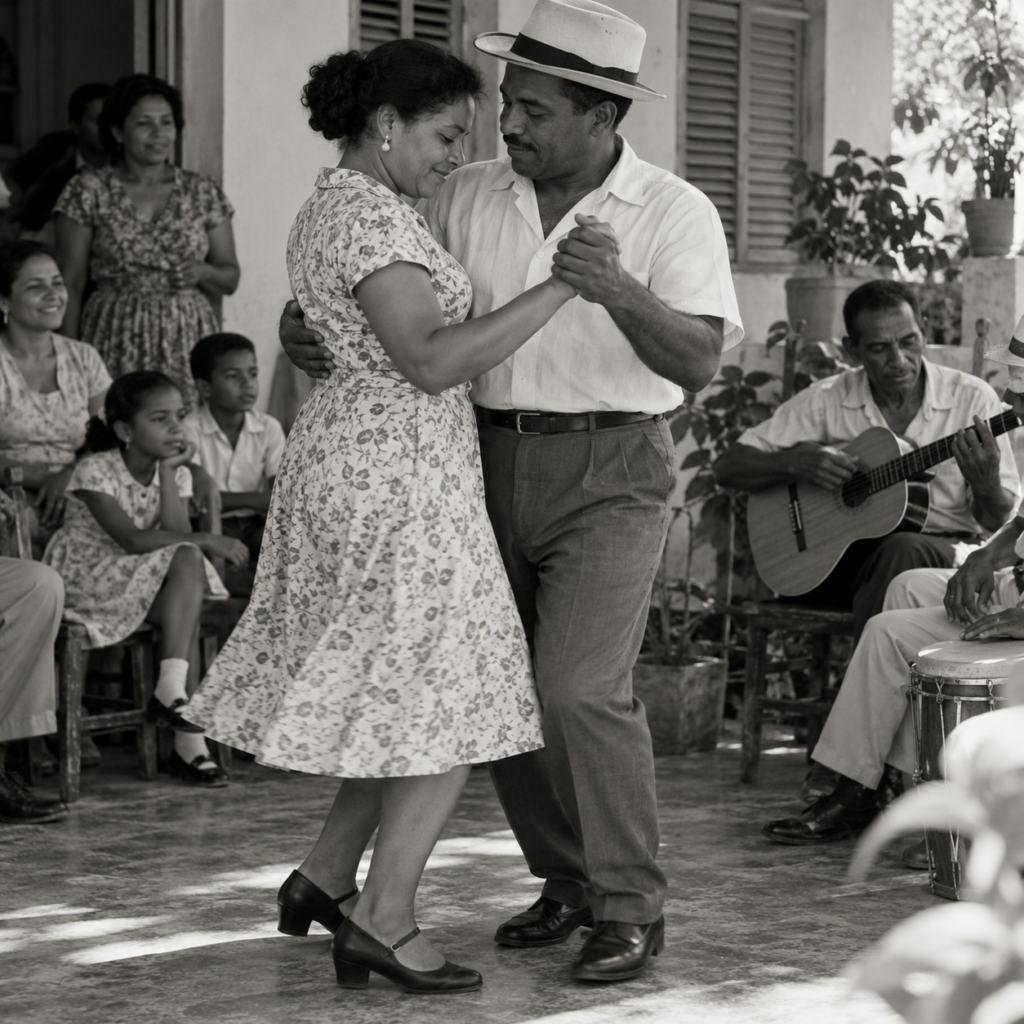
1962
Early recordings
In 1962, José Manuel Calderón recorded two early bachata songs, “Borracho de amor” and “Condena.”
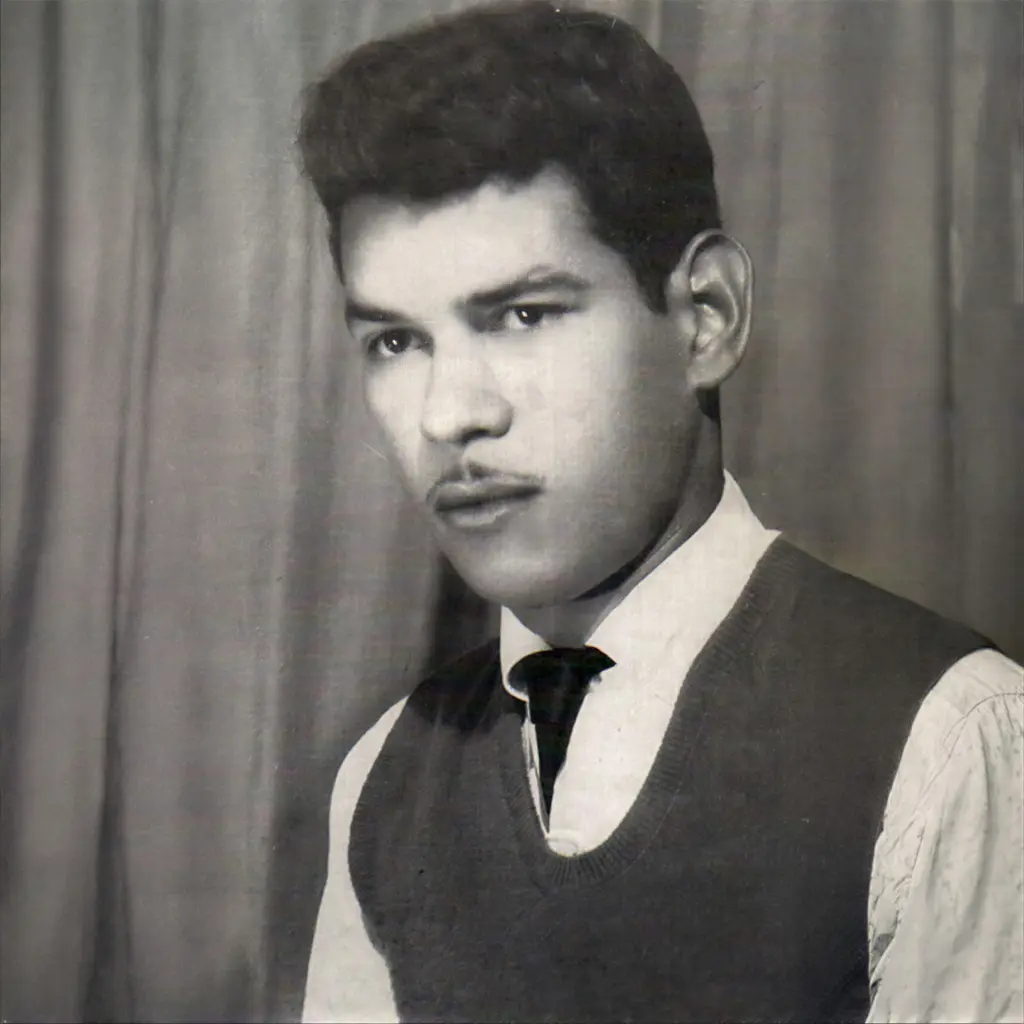
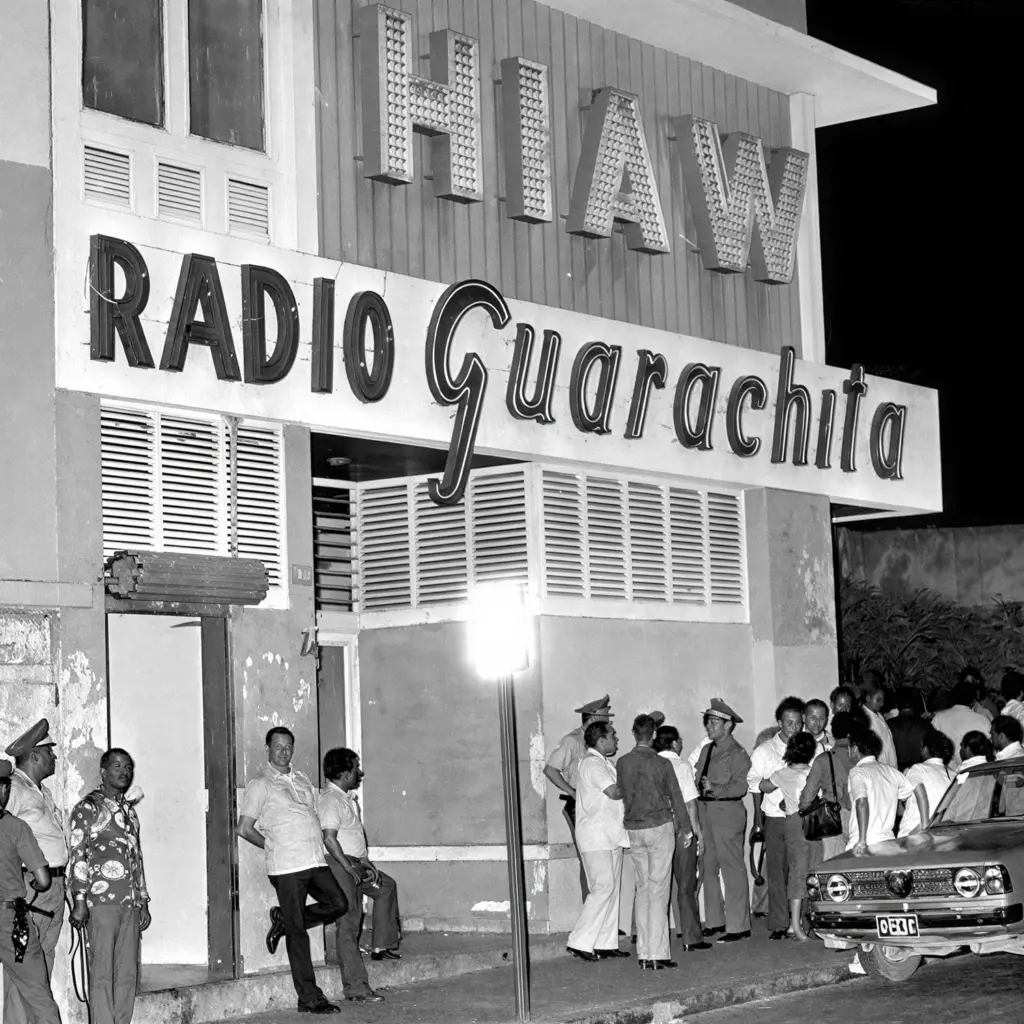
1960s–1980s
A growing Dominican audience
Radio Guarachita helped bachata reach listeners who had little space in mainstream media. Musicians developed the sound, and people continued dancing at parties, bars, and community gatherings.
1990
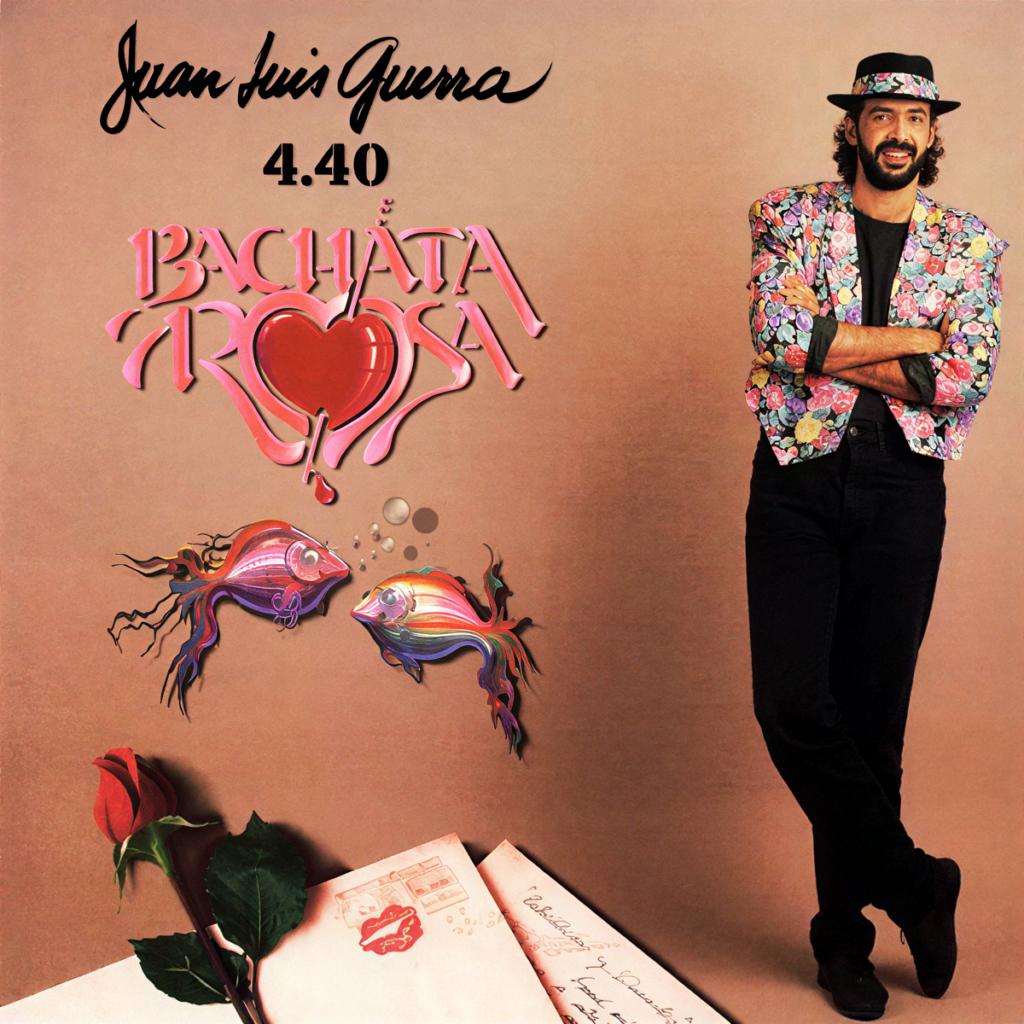
Bachata Rosa reached new listeners
Juan Luis Guerra’s album Bachata Rosa brought bachata to a wider international audience. It helped change perceptions of a genre that had faced decades of social stigma.
1997
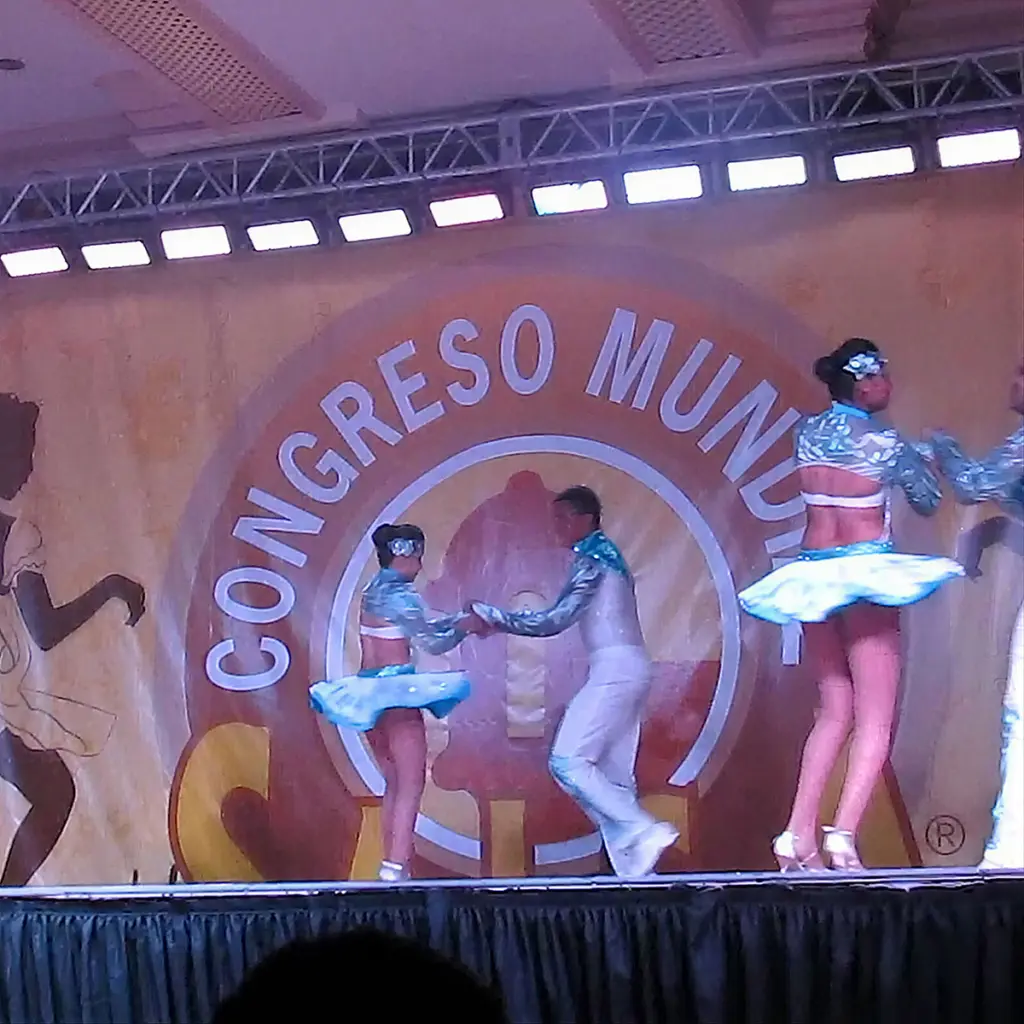
Salsa congresses created a meeting place
The first Puerto Rico Salsa Congress brought dancers together for workshops, performances, and social dancing. The congress format spread internationally, and many events expanded to include bachata and other Latin dances.
Early 2000s
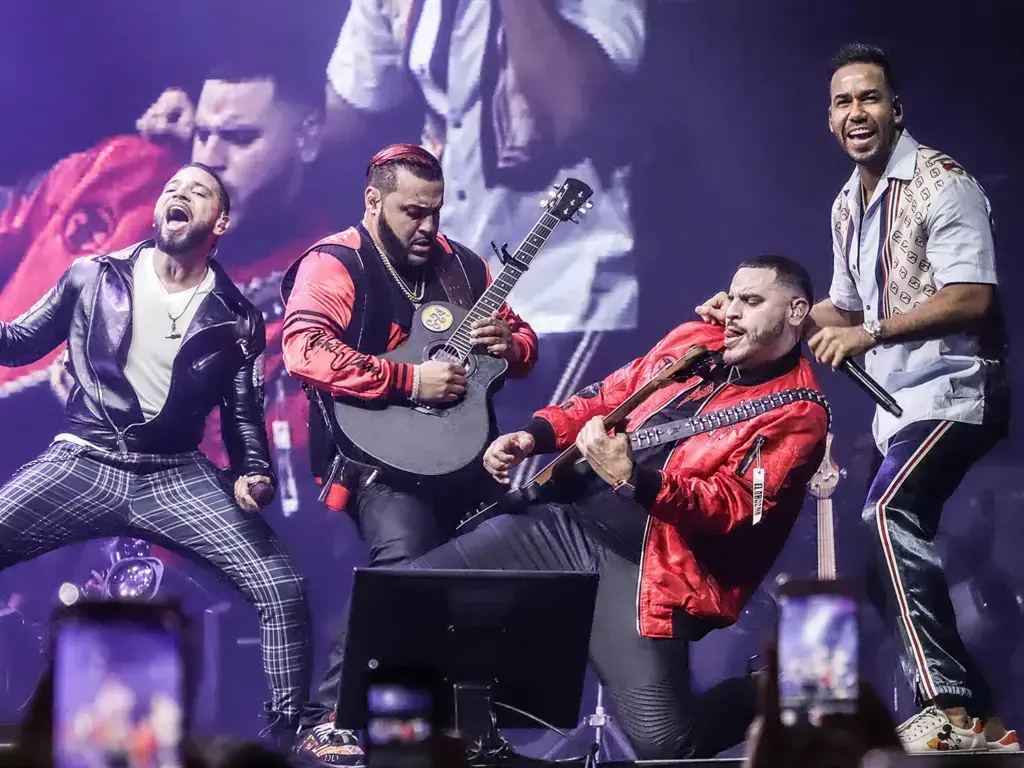
Aventura brought bachata to a new generation
Dominican-American groups such as Aventura blended bachata with R&B and other contemporary sounds. Their success brought new listeners to the music and helped expand the audience for bachata dancing far beyond the Dominican Republic.
2004
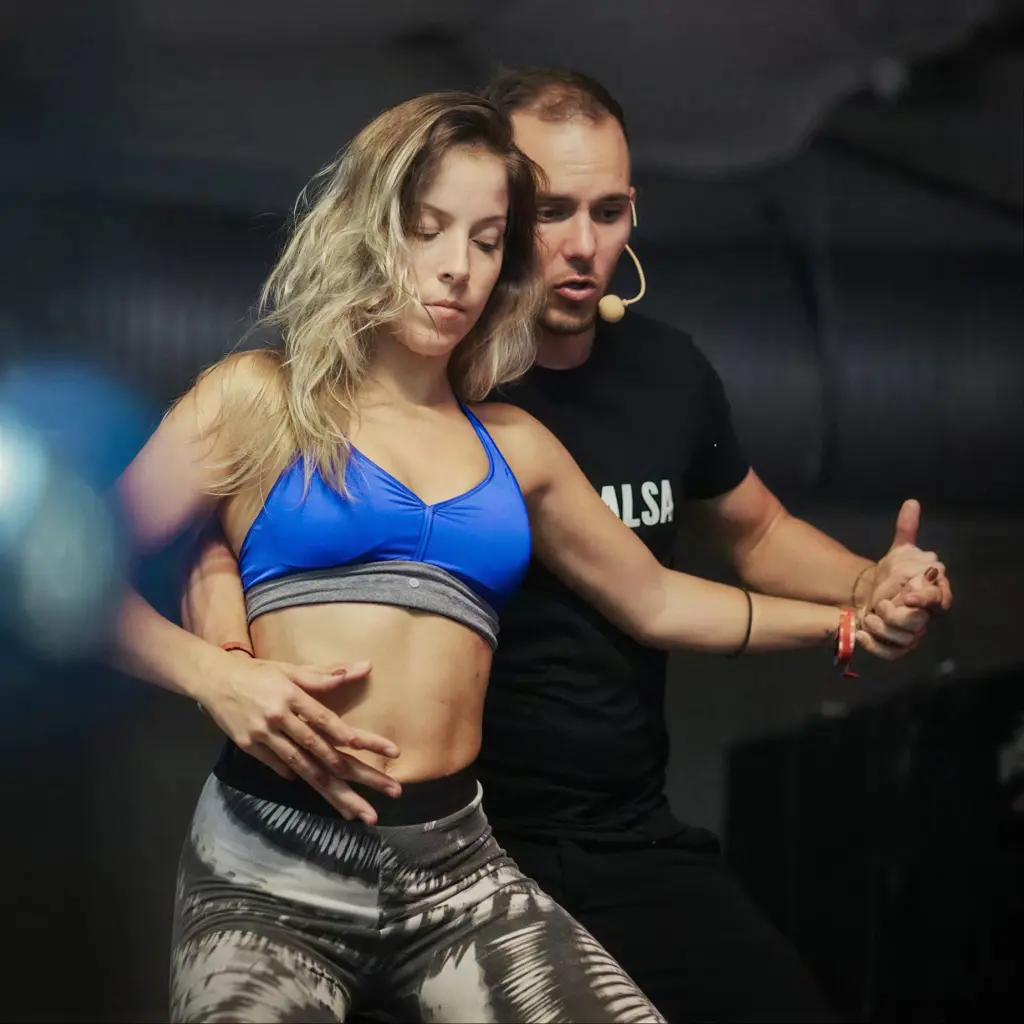
Bachata Sensual took shape in Cádiz
Bachata Sensual began taking shape in Cádiz, Spain, in 2004. Korke’s experiments with fluid body movement developed into a teaching method that he and Judith refined together. Waves, isolations, and different ways of connecting with a partner became hallmarks of this international approach.
April 2008
Bachata got a festival of its own
Sydney hosted an early dedicated international bachata festival. Events like this gave bachata a stage of its own, bringing dancers together for an entire weekend of bachata music, workshops, performances, and social dancing.
2009
Reno and San Francisco grew the U.S. festival scene
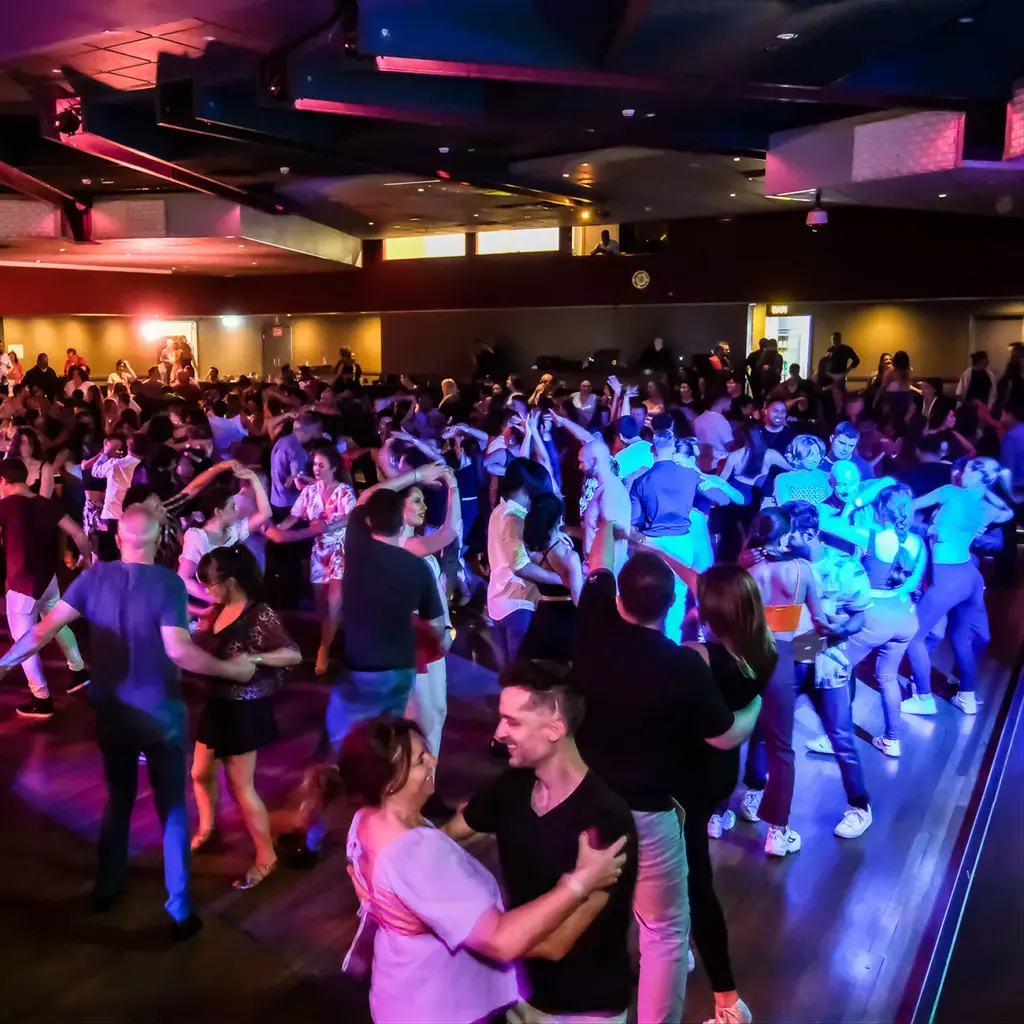
Rodney “Rodchata” Aquino helped launch bachata festivals in Reno and San Francisco, with San Francisco’s first edition held in July. These gatherings gave bachata teachers, performers, and social dancers a bigger stage in the United States.
2019
UNESCO recognition
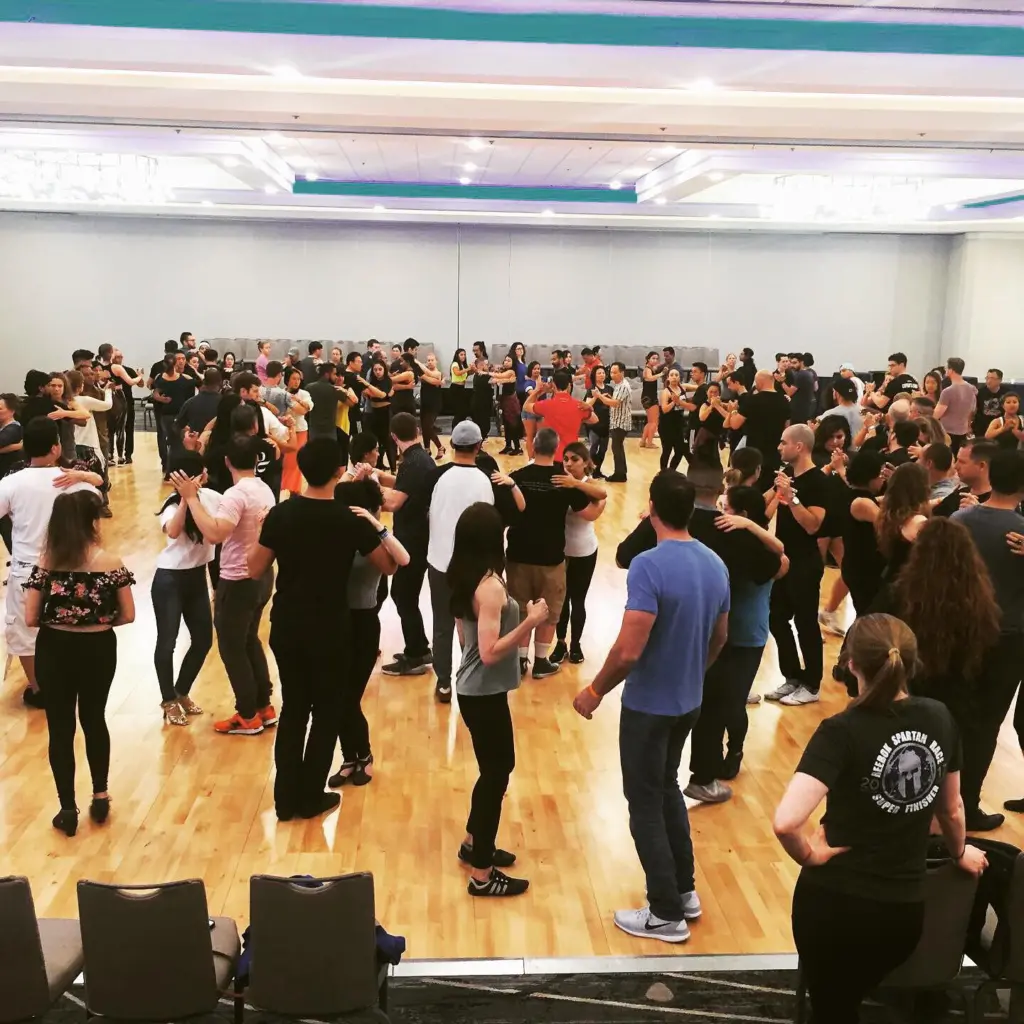
UNESCO added the music and dance of Dominican bachata to its Representative List of the Intangible Cultural Heritage of Humanity. The recognition celebrated a living Dominican tradition shared through music, dancing, and community life.
How to Dance Bachata: A Beginner’s Guide
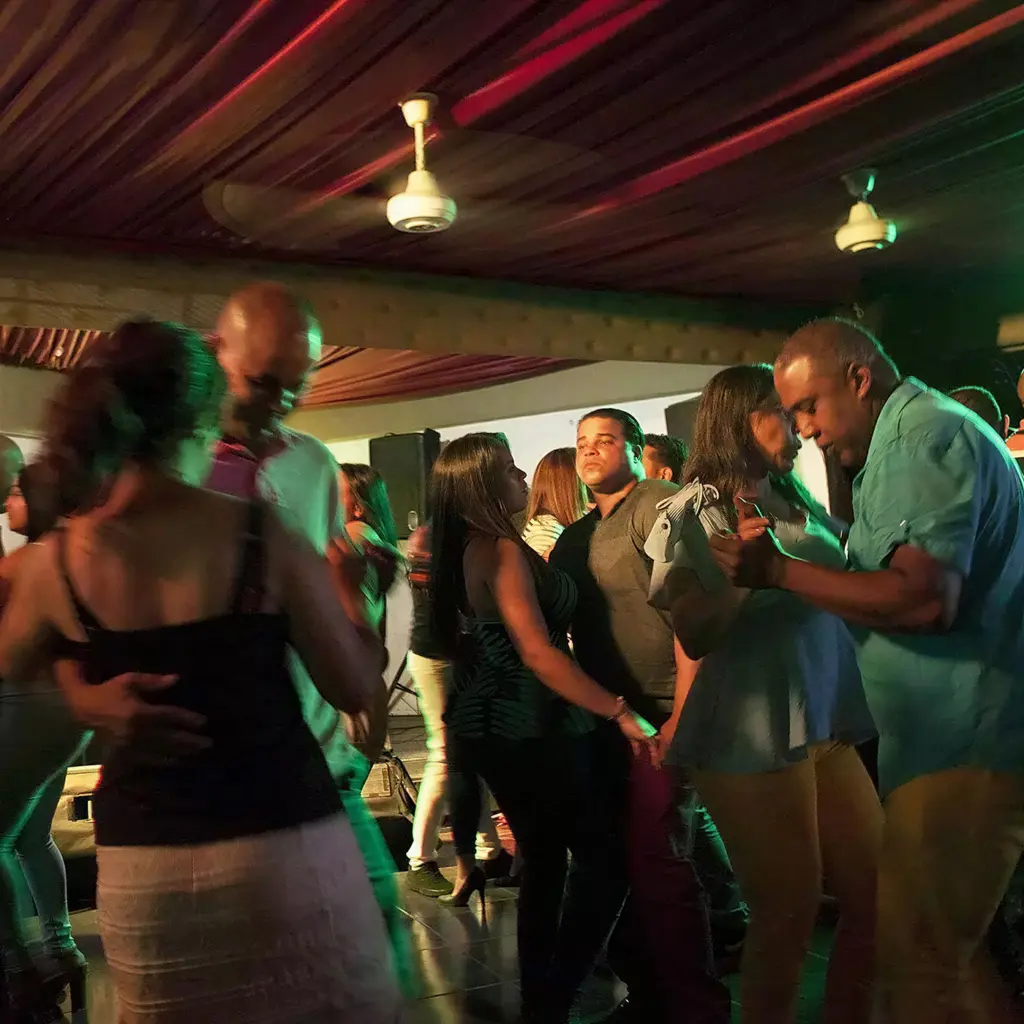
You can begin on your own, with a little floor space and a bachata song. Focus on hearing the beat and moving your weight from one foot to the other. A steady basic is enough to start enjoying the music.
1. Find the beat and count to eight
Bachata music has four main beats in each measure. Dancers commonly group two measures together and count 1, 2, 3, 4, 5, 6, 7, 8. In the beginner pattern below, you step on 1, 2, 3, 5, 6, and 7, then tap on 4 and 8.
Say it aloud: Step, step, step, tap. Step, step, step, tap. The taps land on beats 4 and 8.
First, listen without dancing. Tap your hand to the steady pulse and count aloud. If you lose your place, stop and listen again. You do not need to follow every guitar note or drum sound.
2. Learn the side basic
Stand with your feet under your hips and your knees relaxed. Begin with your weight on your right foot so your left foot is free. Keep each step small.
| Count | What to do | Where your weight goes |
|---|---|---|
| 1 | Step left with your left foot. | Onto your left foot. |
| 2 | Bring your right foot toward your left. | Onto your right foot. |
| 3 | Step left again with your left foot. | Onto your left foot. |
| 4 | Tap your right foot beside your left. | Keep your weight on your left foot. |
| 5 | Step right with your right foot. | Onto your right foot. |
| 6 | Bring your left foot toward your right. | Onto your left foot. |
| 7 | Step right again with your right foot. | Onto your right foot. |
| 8 | Tap your left foot beside your right. | Keep your weight on your right foot. |
Left, together, left, tap. Right, together, right, tap. Repeat slowly without music, then try it with a song.
The key is the difference between a step and a tap. A step takes your weight; a tap leaves it on the other leg. If you put your weight onto the tapping foot, you may find yourself using the wrong foot for the next step.
This side basic is a useful starting point, not the only bachata basic. Dominican bachata also uses box patterns, forward-and-back steps, and movement in place. Learn one pattern comfortably before adding directions.
3. Let your body move with your steps
Keep your shoulders relaxed and your knees soft. Move your weight fully onto each stepping foot, rather than reaching out with your foot while your body stays behind.
Your hips will respond as your weight shifts. You can develop that movement with practice, but you do not need to force a large hip pop on every tap. Start with small, comfortable movement and a steady rhythm.
4. Try it with a partner
Face each other and hold hands lightly in an open position, leaving space between you. For this version, the leader starts with their left foot and the follower starts with their right. When the leader steps to their left, the follower steps to their right, so both travel together.
Keep your elbows relaxed and support your own weight. The leader suggests timing and direction through the connection; the follower responds while staying balanced. Neither person should need to pull the other across the floor.
Leading and following are dance roles, and anyone can learn either. You can also practice both to understand what your partner feels.
5. Get to know the music
Listen for the bright lead guitar answering the singer, the lower bass notes, and the busy percussion underneath. A typical bachata band has five core instruments:
- Requinto: the lead guitar, which plays melodies and fills.
- Segunda: the rhythm guitar, which supports the song with repeating patterns.
- Bass: the low notes that help ground the music.
- Bongó: a pair of small hand drums.
- Güira: a metal scraper that adds a crisp, steady texture.
Modern songs may add electronic sounds or influences from pop, R&B, and other genres. Start with bachata music so you get used to the rhythms behind the dance.
As you listen, notice when a verse changes to a chorus or the guitar takes over. Try keeping your basic small during a quiet passage and adding energy when the music opens up. That is the beginning of musicality: letting what you hear shape how you dance.
Three names can help you recognize changes in the music:
- Derecho: the steady, flowing rhythm often heard during verses, supporting the singer.
- Majao: a more strongly accented rhythm, often heard in choruses, that can give the dancing a lively lift.
- Mambo: an energetic instrumental passage where the lead guitar takes the spotlight, often inspiring playful footwork.
Songs do not all follow the same structure. Listen for these changes and try matching their energy while keeping your basic rhythm.
Common beginner mistakes
- Taking huge steps: bring your feet closer together so you have time to finish each weight change.
- Stepping on the tap: leave the tapping foot free for the next count.
- Forcing your hips: relax and work on balance and weight changes first.
- Pulling your partner: reduce the force and return to a simple basic.
- Adding moves too soon: get comfortable with the rhythm before adding combinations.
Take your next step
Find Bachata Near You
Ready to try bachata in person? Find a local class, take your first steps onto the social dance floor, or explore a festival.
Salsa Vida’s directory covers salsa, bachata, and other Latin dance events. Search for your city or explore the map below. The world map shows today’s salsa and bachata events; the map, class, and social links open with bachata selected.
 6,000+
 129+
129+
 Human
Human

See where to dance bachata
Move around the map to find classes, weekly socials, and festivals. Filter by date and event type, then open any marker for local details.
Open the full map Listings are checked and updated by the Salsa Vida team. Listings are checked and updated by the Salsa Vida team.
Choose your next experience
There’s more than one way to start dancing
Start with the setting that feels right for you. Each one offers a different way to learn, practice, and become part of the local bachata community.
Practice with people
Take a bachata class
The best way to learn bachata is in person at a dance school or studio, where an instructor can give you real-time feedback and you can practice with other beginners. Most beginner classes welcome students without a partner.
Find bachata classes near youJoin the dance floor
Go social dancing
Socials are where you can really have fun trying out the steps you have learned and meeting new people. Many socials open with an introductory lesson, so you can arrive alone and ease onto the dance floor at your own pace.
Find a bachata social near youImmerse yourself
Experience a bachata festival
Festivals bring workshops, performances, and late-night social dancing into one weekend. They are a great way to see different bachata styles and connect with dancers from other cities.
Explore Latin dance festivalsFrequently Asked Questions
Where is bachata from?
Bachata comes from the Dominican Republic. Its music and social dancing grew together in Dominican communities before spreading internationally.
What does bachata mean?
Before it became the name of a music and dance tradition, bachata referred to an informal party or social gathering. Today, the word commonly refers to both the music and the dance.
What are the basic steps of bachata?
A common beginner basic is three steps and a tap to each side: left, together, left, tap; right, together, right, tap. Count 1, 2, 3, tap on 4; 5, 6, 7, tap on 8. Transfer your weight on each step and keep it off the tapping foot.
Is bachata easier than salsa?
Some beginners find bachata’s repeating step-and-tap pattern easier to pick up than a salsa basic. Both dances take practice. Bachata can become complex through footwork, timing, turns, and body movement, so choose the music and classes you enjoy.
What is the difference between salsa and bachata?
They have different musical roots, sounds, and movement traditions. Bachata comes from the Dominican Republic and often features prominent guitars. Salsa draws on Afro-Cuban and wider Caribbean traditions, with many arrangements featuring piano, horns, and layered percussion. Read our Salsa vs Bachata guide for a closer comparison.
Is bachata always sensual or danced close?
No. Bachata can be playful, rhythmic, romantic, or energetic. Sensual bachata is one approach within the wider dance scene. You can dance in an open hold, and close contact is never required.
Do I need a partner to learn bachata?
No. You can practice counting, weight changes, basics, and footwork alone. Many group classes rotate partners, though you should check the school’s policy. You will need practice with another person to develop leading and following.
What should I wear to bachata?
Wear comfortable clothes that let you move and shoes that stay secure on your feet. Choose footwear that lets you turn on the venue’s floor without sticking or slipping too much. Heels and specialized dance shoes are not required for your first class.
How long does it take to learn bachata?
You can try the basic step on your first day. Feeling comfortable dancing with different partners takes repeated practice, and there is no fixed deadline. Focus on staying on time, moving comfortably, and enjoying a simple dance before collecting more moves.
Which bachata style should I learn first?
Start with a beginner class that teaches timing, basic steps, and partner connection. Dominican-rooted basics help you understand the dance’s origins, while learning what is common in your local scene helps you join in. You can explore more than one style as you improve.
Sources & Further Reading
For more on bachata’s roots and the styles shown here:
- UNESCO: Music and dance of Dominican Bachata:
https://ich.unesco.org/en/RL/music-and-dance-of-dominican-bachata-01514 - iASO Records: What is Bachata?
https://www.iasorecords.com/music/what-is-bachata - iASO Records: José Manuel Calderón:
https://www.iasorecords.com/artists/jos-manuel-calder-n - Areíto Arts: Bachata Regional Styles, Dominican Swag:
https://www.youtube.com/watch?v=RPSx5n26BeI - Korke and Judith: Bachata Sensual:
https://bachatasensual.com/ - Bachata Sensual Academy: the style’s 2004 beginnings:
https://academy.bachatasensual.com/ - University of Washington: the 1997 Puerto Rico Salsa Congress:
https://artsci.washington.edu/news/2007-07/salsa-dance - Juan Ruiz: Sydney International Bachata Festival 2008:
https://www.youtube.com/watch?v=VXyKeqbTejA - Billboard, April 4, 2009: Sydney’s second annual bachata festival:
https://www.worldradiohistory.com/Archive-All-Music/Billboard/00s/2009/BB-2009-04-04.pdf - Rodchata: Reno and San Francisco festival history:
https://www.rodchataclasses.com/dance-by-rodchata-news/category/all - Rodchata’s 2012 press release: first San Francisco Bachata Festival in July 2009:
https://www.24-7pressrelease.com/press-release/299981/biggest-kizomba-event-in-the-usa-2012-san-francisco-kizomba-festival-presented-by-rodchata - Salsa Vida: History of Bachata Dance & Music:
https://www.salsavida.com/articles/history-of-bachata-dance-music/ - iASO Records: Bachata Breakdown En Vivo:
https://newiaso.iasorecords.com/release/bachata-breakdown-en-vivo
