Looking to go salsa dancing, but not sure what shoes to wear?
Whether you’re about to take your first salsa class or starting to get more into social dancing, the right shoes can make a huge difference. Good salsa shoes make it easier to turn, more comfortable to dance for longer, and can help you feel more confident on the dance floor.
I’ve been dancing salsa for nearly 20 years in studios, clubs, congresses, performances, outdoor events, and on just about every kind of floor you can imagine. I’ve also coached a college salsa team for 15 years, so I’ve recommended a lot of different shoes over time and seen what actually works for students in real life.
In this guide, I’ll break down what makes a good salsa shoe, what I usually recommend at different levels and price points, and which types of shoes work best for different settings.
TLDR: What are the best shoes for salsa dancing?
The best salsa shoes are lightweight, secure, and easy to pivot in. Beginners usually do best with affordable jazz shoes or practice shoes, while more experienced dancers often move into Latin dance shoes, dance heels, or more specialized salsa shoes depending on their style and goals.
- Best beginner option: simple jazz shoes or practice shoes with a secure fit
- Best next step for men: Latin dance shoes or leather-soled dress shoes
- Best next step for women: Latin heels with a comfortable heel height and secure ankle strap
- Best for versatility: dance sneakers or all-surface dance shoes
- Best for sticky or outdoor floors: smooth-soled shoes or outdoor-friendly dance sneakers
What makes a shoe good for salsa dancing?
Not every shoe that looks good for dancing actually works well for salsa. A good salsa shoe should help you move smoothly, stay balanced, and dance for hours without destroying your feet.
- Smooth pivoting: Salsa involves lots of turns, spins, and directional changes. Shoes that are too grippy can make turning harder and hurt your knees.
- Secure fit: Your shoe should feel snug and stable. I usually prefer shoes with laces because they’re easier to tigten up.
- Support and comfort: If you take classes, go social dancing, or attend festivals, comfort matters. A stylish shoe that hurts after 20 minutes is not a good salsa shoe.
- Lightweight feel: Heavy shoes can make footwork feel slower and more tiring, especially during long socials or workshop weekends.
- The right sole for the floor: The best sole depends a lot on where you dance. Studio wood floors, sticky club floors, rough outdoor surfaces, and hotel ballroom floors all feel different, so the same shoe will not always be ideal everywhere.
My general recommendations for salsa shoes
In most cases, I think of salsa shoes in a few broad levels. You don’t need to jump straight into expensive specialty shoes (unless you want to!). A lot of dancers do just fine starting simple and upgrading later once they know what they like.
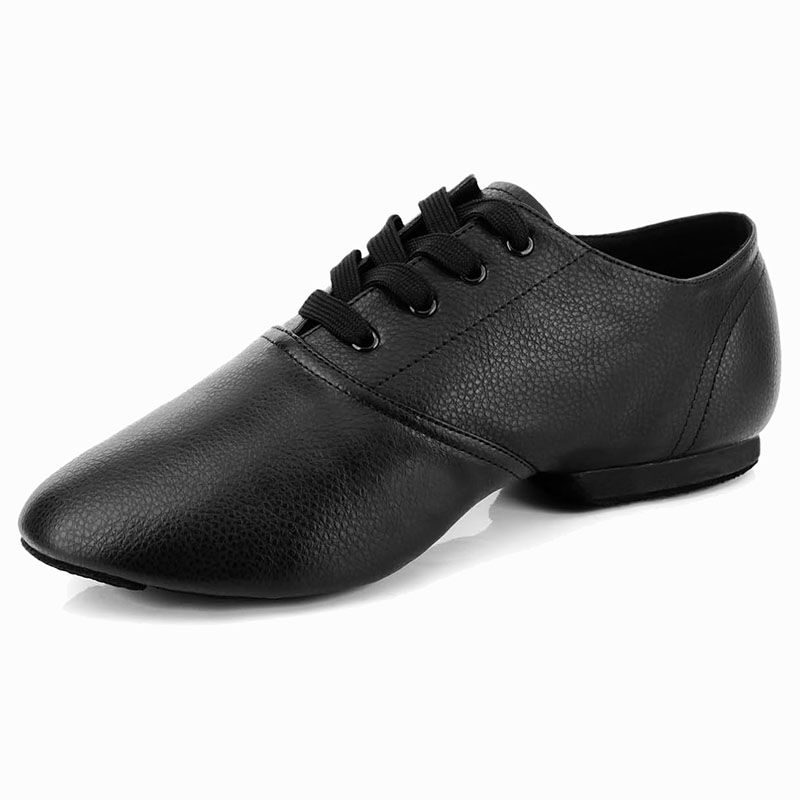
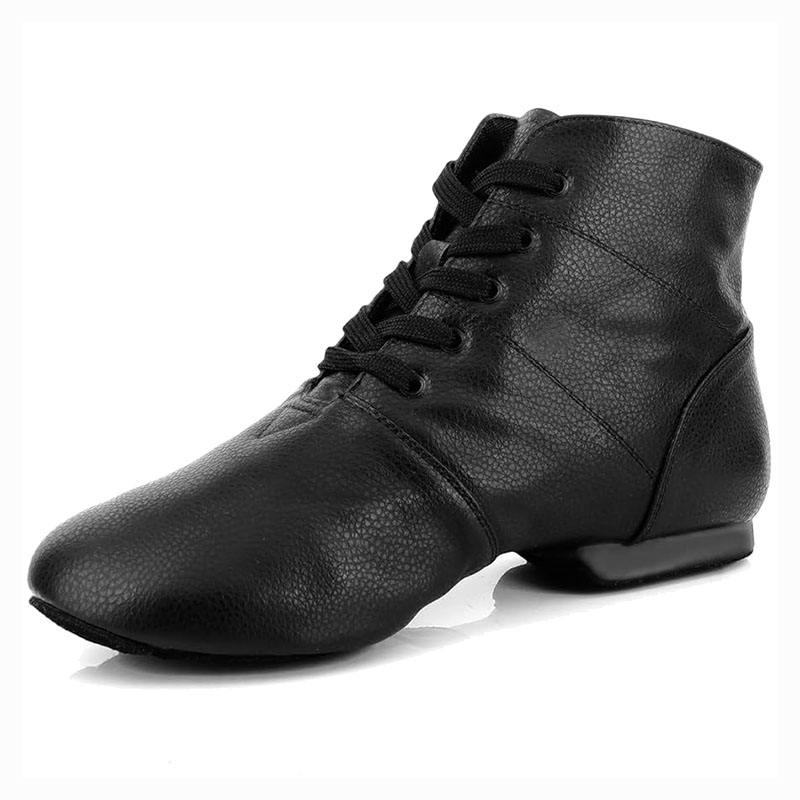
1. Jazz shoes or practice shoes
This is usually my first recommendation for beginners, especially for classes and studio practice. They are not the most stylish option, but they are affordable, lightweight, and easy to move in. You can usually find decent pairs on Amazon in the $20 to $30 range.
For new dancers, these are often a great way to get something more dance-friendly than regular sneakers without spending much money. I usually prefer options with laces because they tend to give a more secure fit.
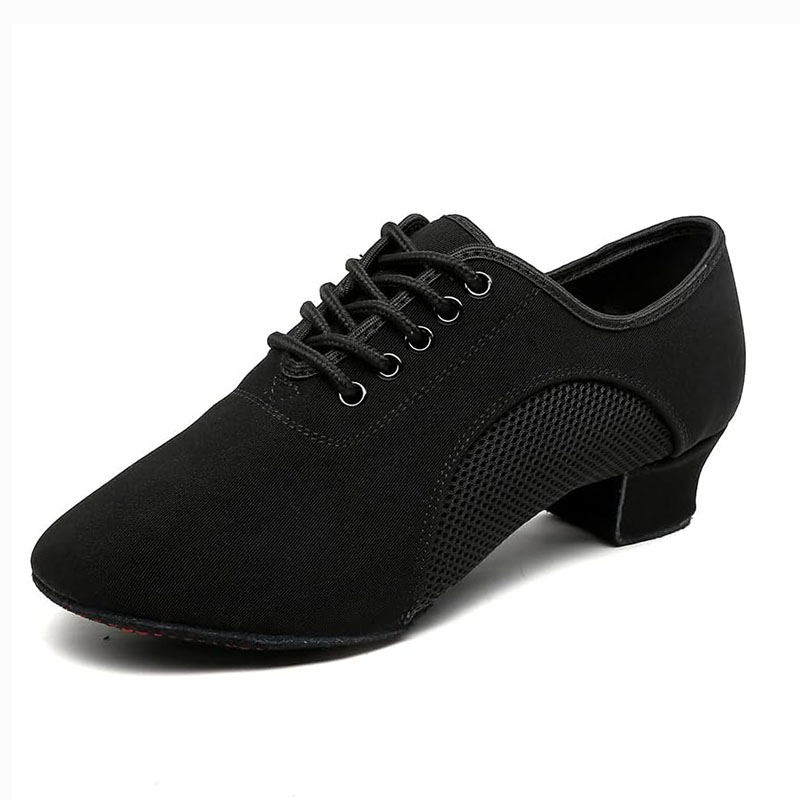
2. Latin shoes for men, Latin heels for women
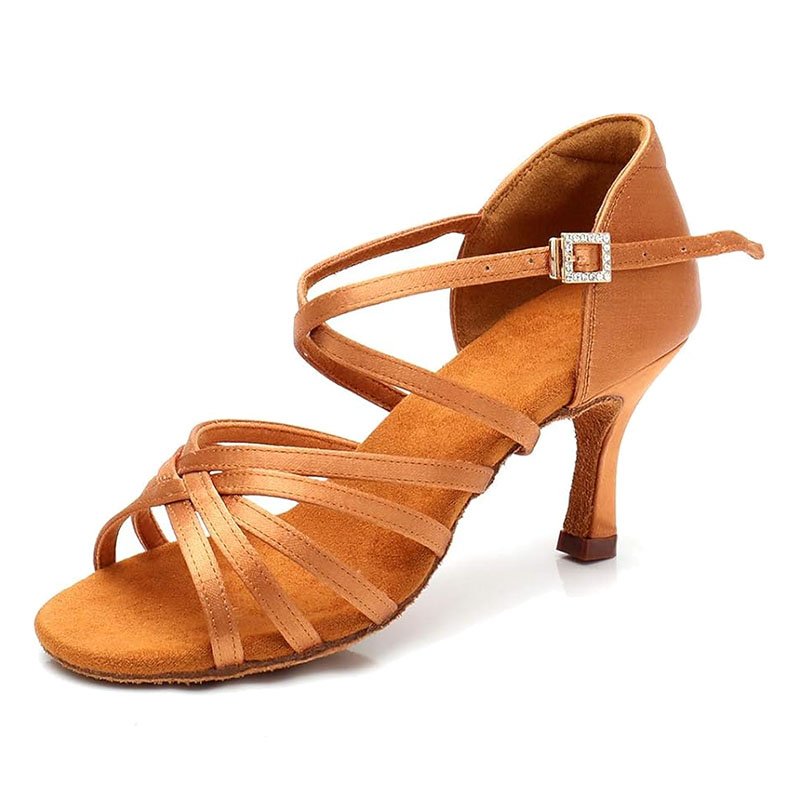
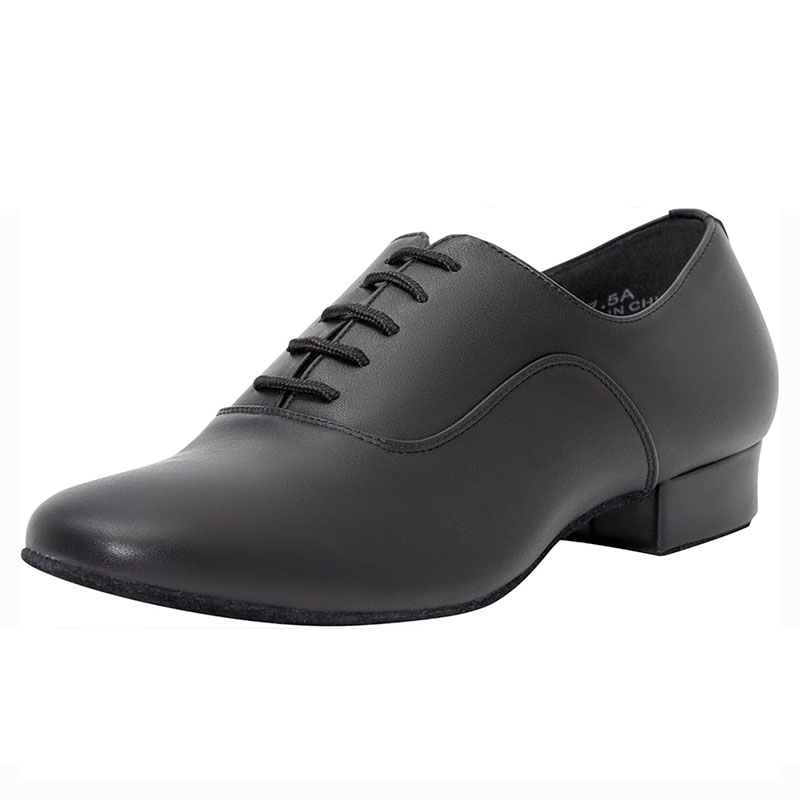
This is usually the next step once someone starts dancing more regularly and wants a shoe that feels cleaner and more dance-specific for socials. For women, that often means Latin heels. For men, that usually means Latin dance shoes.
These can still be found at pretty reasonable prices online, including on Amazon, and in some cities you may also be able to find them locally, which is helpful for getting the right fit. I usually recommend sizing down at least half a size from your regular street shoe size for a secure fit. Leather shoes in particular tend to loosen over time as they break in.
3. Specialty salsa shoe brands
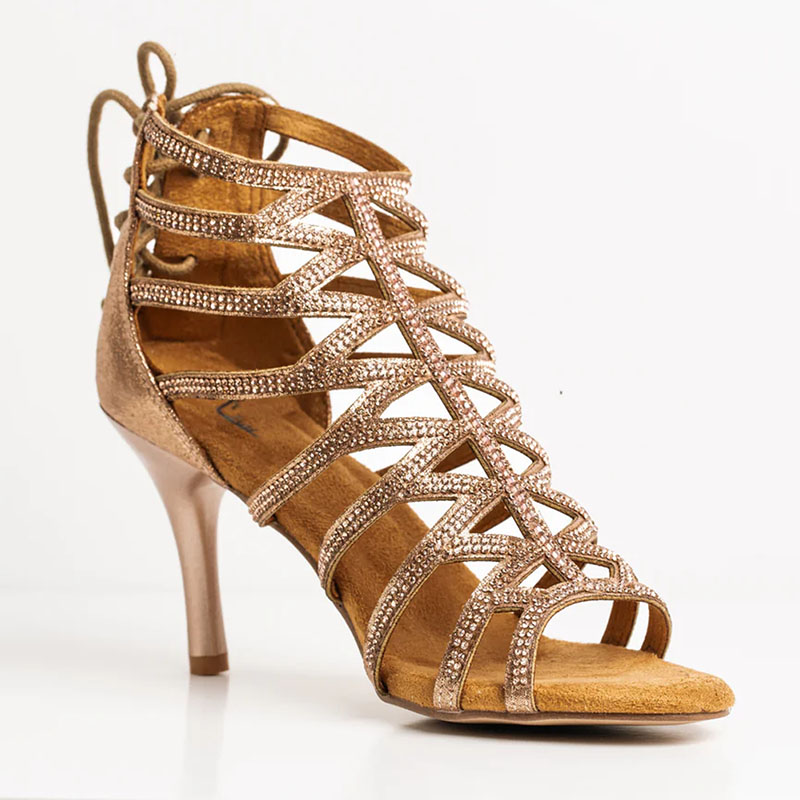
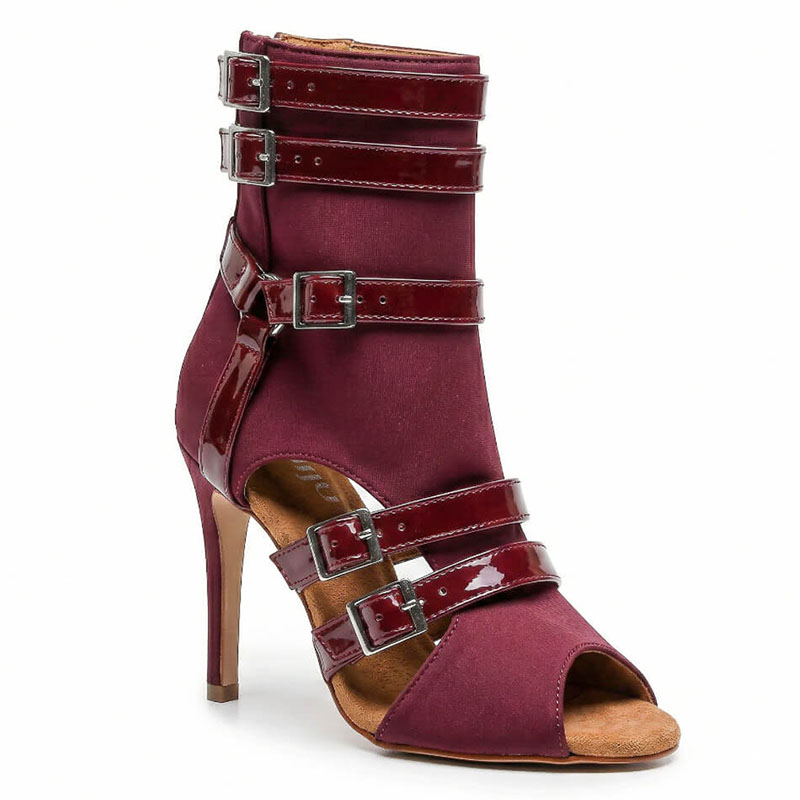
After that, there are the better-known salsa shoe brands that are designed specifically for salsa dancers. These are usually more in the $120+ range, but in return you generally get better comfort, better styling, and more refined construction.
The brands I am most familiar with are GFranco and Burju. Overall, the quality is solid, so at that point it often becomes more about style, fit, and what look you like best. GFranco has shoes for men and women, while Burju focuses mainly on women's shoes.
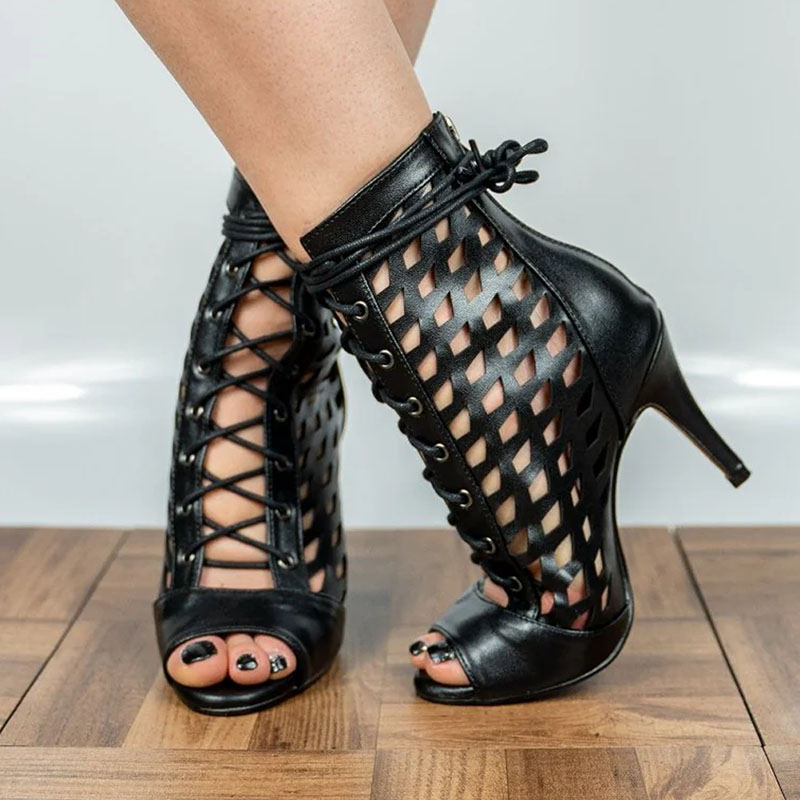
A newer brand I have seen a lot, especially for women, is MyZiji, which has more fashion-forward dance boots and lace-up booties.
4. Dance sneakers and all-surface options
Fuego is the best-known dance sneaker brand in salsa and bachata right now. I haven't personally tried them, but they are extremely popular. Their look is more contemporary and urban, so they are especially popular with bachata dancers, though plenty of salsa dancers wear them too.
One of the biggest advantages is versatility. They have a spinning spot that helps with turns without being too slippery, and since they don't use suede bottoms, they work across a wider range of surfaces and do not require a shoe brush.
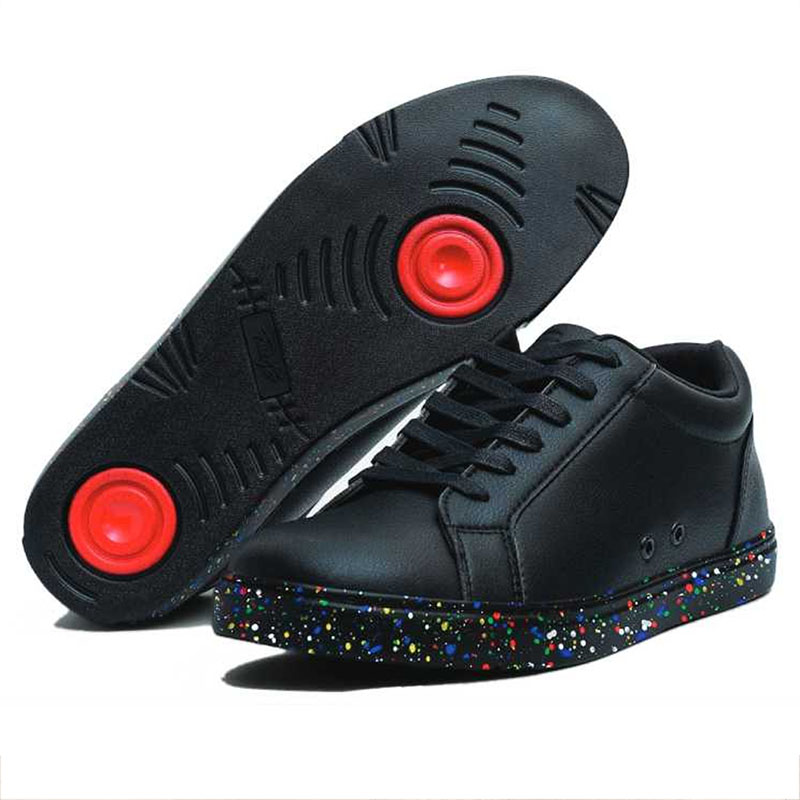
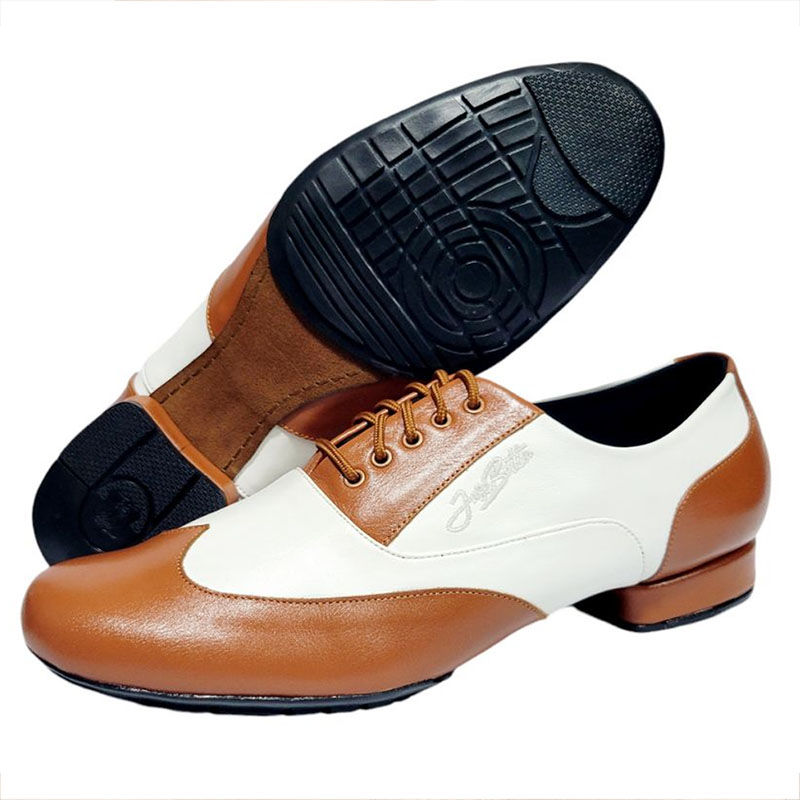
My personal favorite right now is Jose Botta out of Peru. Their shoes have a synthetic or plastic-type sole that works really well across different surfaces. They are easy to spin in, but they are not overly slippery, so as a lead I really like the balance between spin ability and stability for both social dancing and performance. They also work well outdoors, and you do not need a shoe brush. About half my team wears Jose Bottas now and they love them.
Best salsa shoes for women
For women, the best salsa shoes depend a lot on experience level, comfort with heels, and whether the focus is on classes, socials, festivals, or performance.
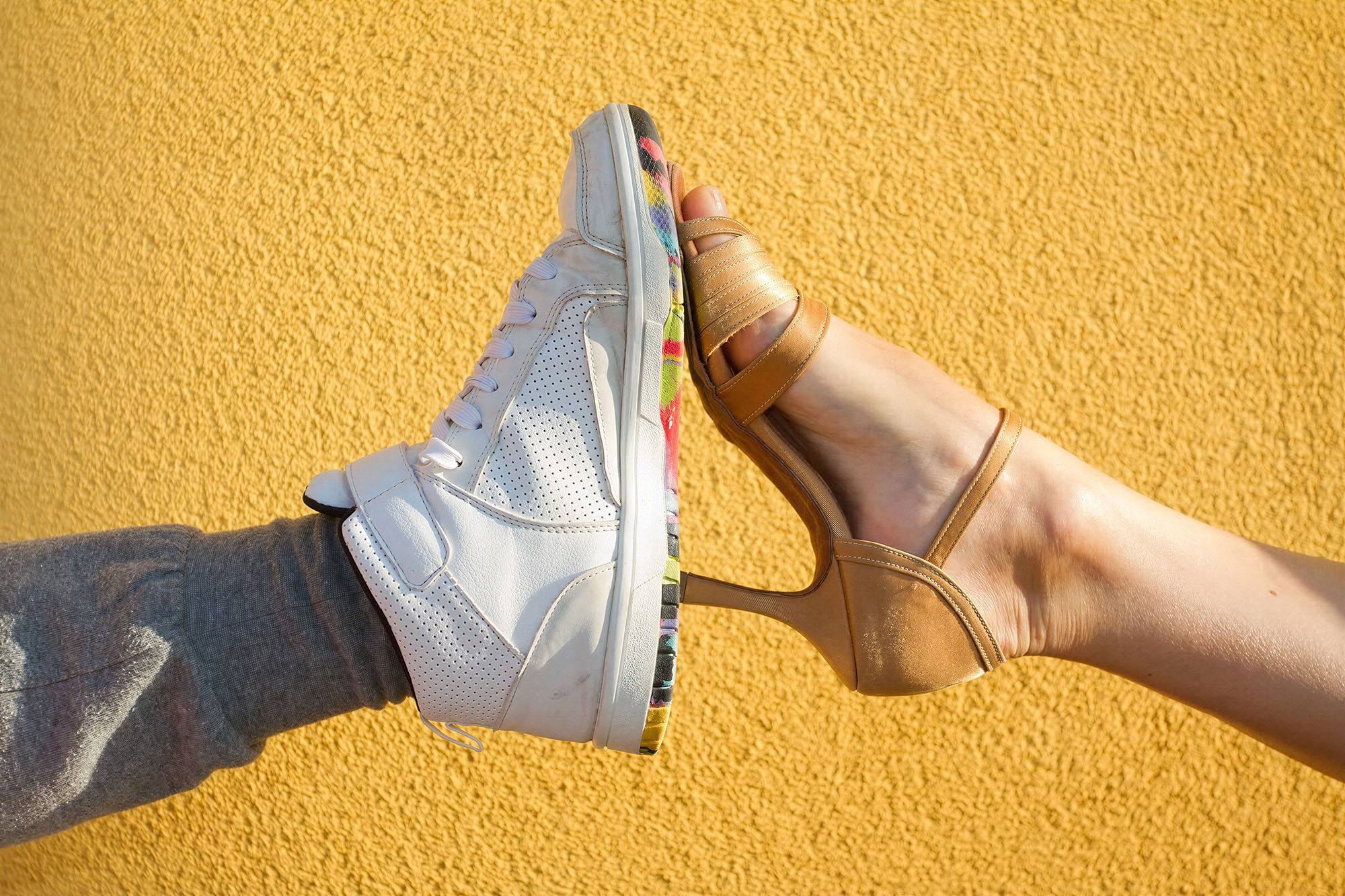
- Best for beginners: Low heels (1-2 inches), practice shoes, or dance sneakers are often the easiest place to start. A lot of women do not need to jump straight into higher Latin heels right away.
- Best for socials: For regular social dancing, Latin heels with a secure ankle strap and a comfortable heel height are often the go-to choice.
- Best for long nights and festivals: If you're dancing for hours at a congress or weekend festival, comfort becomes even more important. Lower heels, backup shoes, or more supportive options can make a huge difference.
- Best for dancers who don't want heels: Not every salsa dancer wants to wear heels, and that is totally fine. Dance sneakers, flats, or lower-profile practice shoes can work very well depending on the setting.
Best salsa shoes for men
For men, the best salsa shoes usually fall into a few categories: practice shoes, Latin shoes, dance sneakers, and dress shoes with leather soles.
- Best for beginners: Jazz shoes and practice shoes are often the easiest and cheapest place to start.
- Best for social dancing: Latin dance shoes are often my next recommendation because they are cleaner, more stylish, and more responsive for dancing regularly at socials.
- Best intermediate option: Another great option for men is a stylish dress shoe with a leather sole. These can look great for social dancing and still be very danceable if the sole allows smooth movement.
- Best for versatility: Dance sneakers or all-surface shoes can be great if you dance in mixed environments or want one pair that can handle indoor and outdoor use.
Best shoes by dancing environment
- Studio classes: Jazz shoes, practice shoes, Latin shoes, and suede-soled shoes can all work well on studio floors.
- Nightclubs and bars: Club floors can be sticky, uneven, or cramped, so comfort and controlled turning matter more than appearance alone.
- Festivals and congresses: If you dance all day and night, bring shoes that can handle workshops, socials, and long hours on your feet. A backup pair is always smart.
- Outdoor socials: Outdoor surfaces are rougher and can destroy suede quickly. Shoes with smoother synthetic or street-friendly soles are a much better choice for outdoor dancing.
Other salsa shoe tips
- Patent leather care: If you have patent leather shoes, a little bit of Vaseline can help keep them from sticking together or getting scuffed up.
- Leather shoes loosen over time: Leather shoes often stretch a bit as you wear them in, which is why I usually recommend going at least half a size down from your street shoe size if the fit allows.
- Bring more than one pair to festivals: If you're dancing all weekend, having a backup pair can save you if one pair starts to hurt or gets damaged. There are usually shoe vendors at festivals too, so they can be a great place to try on new shoes and add to your collection.
- Double check your shoe bag: At big socials and especially festivals, a lot of dancers have the same shoe bags from the same brands, so it's easy to grab the wrong one by accident. Always take a second to make sure you have your own bag before heading out. If you want something more distinctive and easier to spot, I also sell dance bags here that are designed to keep your shoes and accessories organized.
Final thoughts
The best shoes for salsa dancing are the ones that help you dance more comfortably, turn more easily, and enjoy the experience more. You don't need the fanciest pair right away. Start with something that matches your level of dancing and the surfaces you dance on, then upgrade as your dancing grows.