
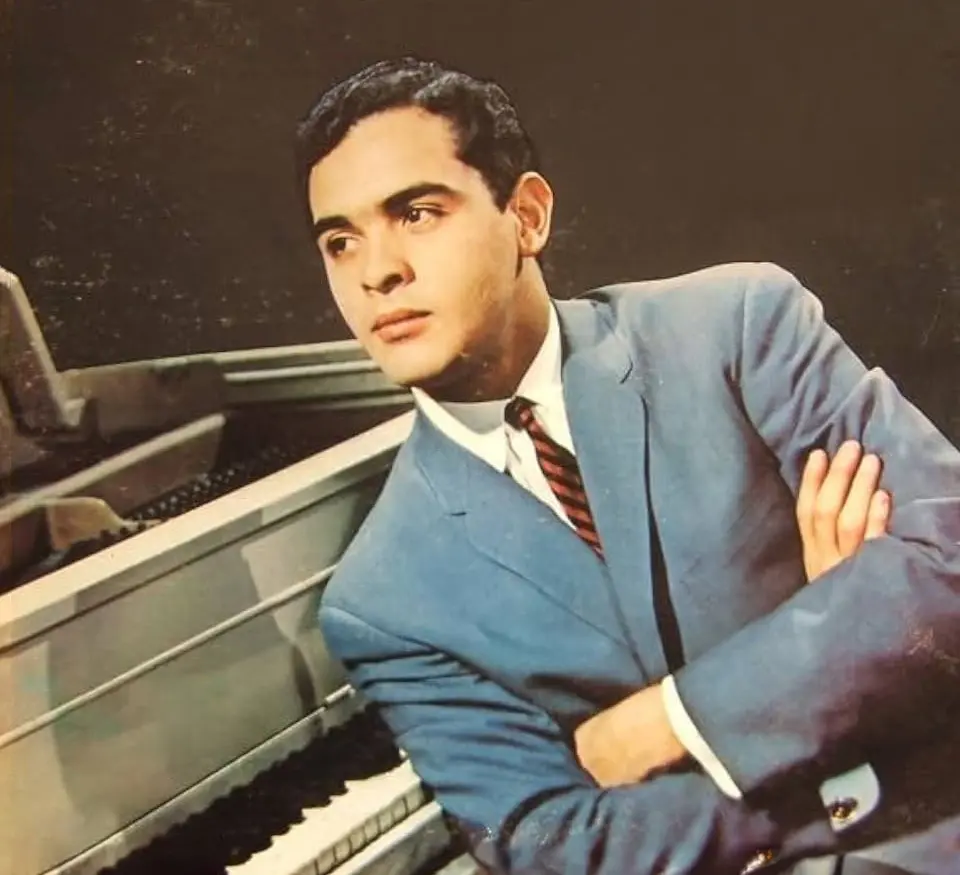
Richie Ray made the piano one of salsa’s most spectacular lead voices. Best known for his partnership with singer Bobby Cruz, he brought classical technique, adventurous arrangements, and explosive energy into Latin dance music. Their recording “Sonido Bestial” became an enduring example of how a salsa orchestra could combine instrumental virtuosity with immediate popular appeal.
Born in Brooklyn to Puerto Rican parents, Ray began studying piano as a child. His musical background included classical training, but the sounds of Latin New York gave him a different setting for those skills. Working with Cruz, he developed a band whose recordings embraced boogaloo, Caribbean rhythms, and romantic songs as well as the hard-driving music now associated with classic salsa.
During the 1960s, releases such as Jala Jala y Boogaloo helped establish the partnership. Agúzate and the 1971 album El Bestial Sonido brought their distinctive sound into the salsa boom. Ray’s dramatic piano passages were central to the appeal, but the band’s identity also depended on Cruz’s singing, forceful trumpets, and a tightly coordinated rhythm section. Their music made instrumental ambition feel like part of the excitement of dancing.
A conversion to evangelical Christianity in the 1970s changed the direction of Ray’s career. He and Cruz began recording songs with religious themes, including “Juan en la Ciudad,” while later reunion performances brought their earlier repertoire back to concert audiences.
Ray’s contribution is a particularly vivid chapter in salsa’s history of experimentation. He showed that the piano could do more than support the singer or maintain the rhythm: it could become the dramatic center of the performance, without weakening the partnership between musician, vocalist, and dancer.