
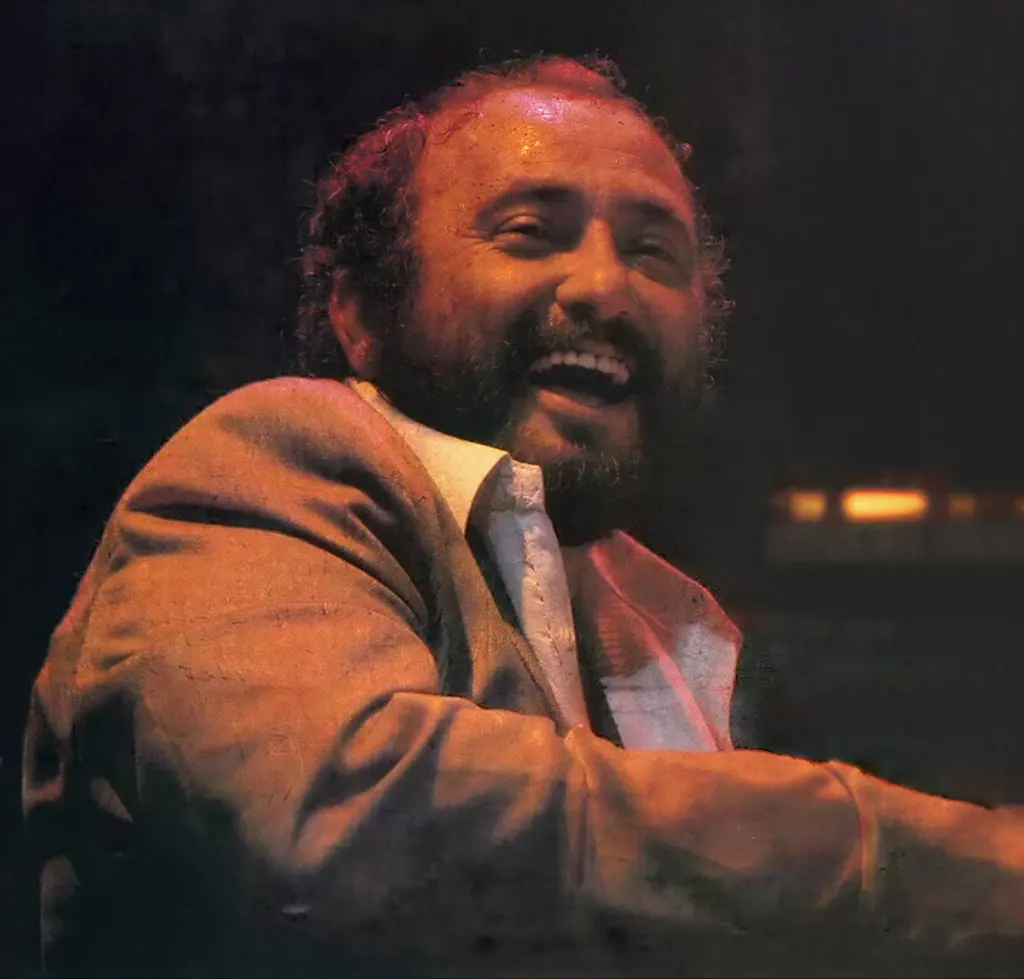
Eddie Palmieri was one of salsa’s great musical innovators, a pianist and bandleader who made experimentation part of the music’s dance-floor appeal. His orchestra La Perfecta helped reshape the sound of New York Latin music in the 1960s, while his later recordings brought salsa into conversation with jazz, funk, and soul. His music could be challenging and unpredictable without losing its rhythmic drive.
Born in New York to Puerto Rican parents, Palmieri followed his older brother Charlie into music and worked with Tito Rodríguez before forming La Perfecta in 1961. With trombonist Barry Rogers and singer Ismael Quintana, he developed a striking combination of trombones, flute, and percussion. The result had a different weight and character from the larger orchestras of the mambo era, becoming an important part of salsa’s emerging vocabulary.
Palmieri’s curiosity extended beyond the dance orchestra. His Harlem River Drive project brought Latin rhythms together with Black American soul and funk, while his jazz work gave musicians room for extended improvisation. Yet recordings such as “Azúcar” and “Vámonos pa’l Monte” remained closely tied to the excitement of social dancing. In 1975, The Sun of Latin Music, featuring Lalo Rodríguez, won the first Grammy awarded in the Best Latin Recording category.
Later chapters included the salsa breakthrough of La India, a collaboration with Tito Puente on Masterpiece / Obra Maestra, and a return to his early ensemble’s sound with La Perfecta II. Palmieri remained a creative force across generations, receiving the National Endowment for the Arts’ Jazz Master honor in 2013.
He died in 2025. His importance to salsa is not simply that he played extraordinary piano solos: he expanded what an orchestra could sound like and what dance music could attempt. For new dancers, his recordings open a door to salsa at its most adventurous.