
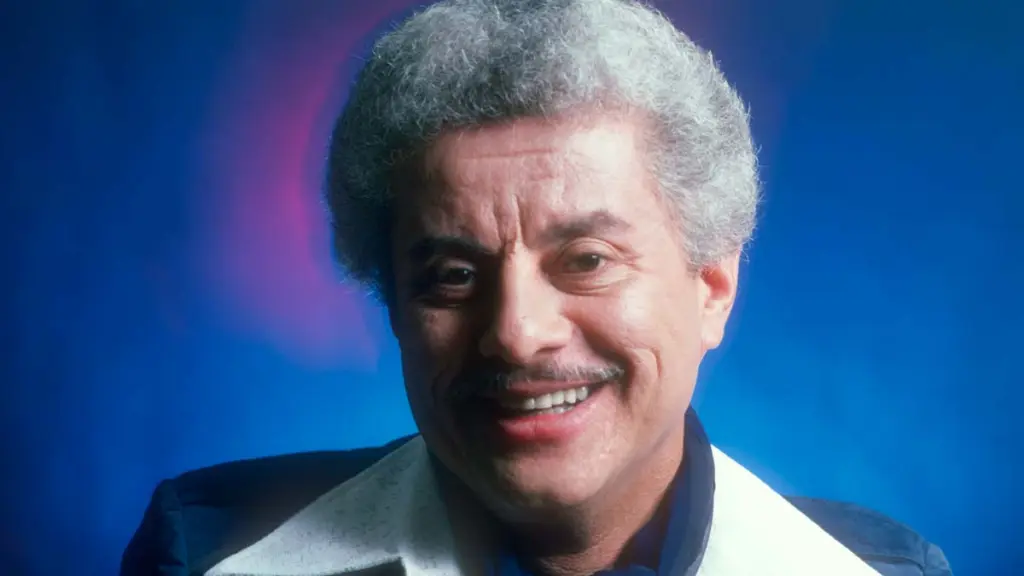
Tito Puente was one of the most influential musicians in the history of Latin music, helping define the mambo era of the 1950s before becoming a major figure in salsa and Latin jazz. Known as “El Rey” (The King), he was one of New York’s three great mambo bandleaders alongside Machito and Tito Rodríguez, whose orchestras made the legendary Palladium Ballroom the center of a worldwide dance craze.
Born in Spanish Harlem to Puerto Rican parents, Puente grew up surrounded by Latin music and American big-band jazz. After serving in the U.S. Navy during World War II, he studied at Juilliard and formed his own orchestra in 1948. He became famous for his extraordinary skill on the timbales, bringing the instrument to the front of the stage with explosive solos and an energetic performance style. His orchestra became one of the biggest attractions at the Palladium, where dancers packed the floor to mambo, cha-cha-chá, and other Afro-Cuban rhythms.
Puente was also a pioneer of Latin jazz, blending Afro-Cuban rhythms with the improvisation, harmonies, and powerful horn arrangements of American jazz. During the 1950s, New York’s Latin music and jazz scenes were closely connected, with the Palladium located near famous jazz clubs such as Birdland. Puente moved comfortably between both worlds, creating music that was as exciting for jazz audiences as it was for dancers. His landmark 1958 album Dance Mania, featuring singer Santitos Colón, became one of his most celebrated recordings and was later added to the Library of Congress’s National Recording Registry.
Unlike many stars of the mambo era, Puente remained a major force in Latin music as musical tastes changed. He continued recording and performing throughout the rise of salsa in the 1970s, collaborating with artists including Celia Cruz and appearing with the Fania All Stars. His composition “Oye Cómo Va” reached an even wider audience when Santana transformed it into an international rock hit. Over his remarkable career, Puente recorded more than 100 albums and earned five Grammy Awards, establishing himself as one of Latin music’s most prolific and celebrated artists.
His influence also extended directly to salsa dancing. Beginning in 1980, Puente featured Eddie Torres and his dance partner Maria onstage with his orchestra, giving the dancers opportunities to perform before large audiences. Their long-running collaboration helped showcase New York-style mambo and supported Torres’s rise as one of the world’s most influential salsa instructors. Puente understood the close relationship between musicians and dancers, and made dance an important part of his live performances.
More than two decades after his death, Tito Puente remains an essential part of salsa’s musical foundation. From the driving mambo of “Ran Kan Kan” to the Latin jazz of “Mambo Diablo” and the infectious rhythm of “Oye Cómo Va,” his recordings continue to fill dance floors around the world. Few musicians have left such a lasting mark on both the music and the dancing.