
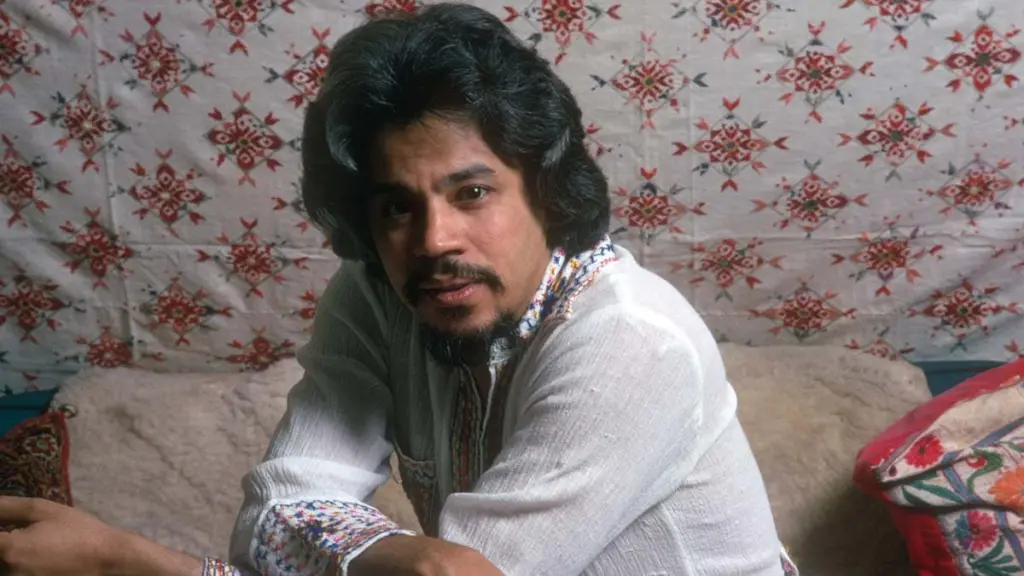
Johnny Pacheco was one of the most influential figures in salsa history, helping transform New York’s Latin music scene into a worldwide phenomenon. Known as “El Padrino de la Salsa” (The Godfather of Salsa), he co-founded Fania Records, assembled the legendary Fania All-Stars, and helped define the sound of salsa’s golden age as a bandleader, producer, and musical director.
Born in the Dominican Republic, Pacheco moved to New York with his family as a child. A talented flautist and percussionist, he became a star during the pachanga craze of the early 1960s with his orchestra, Pacheco y su Charanga. Its lively combination of flute, violins, and percussion made him one of the city’s most popular Latin bandleaders.
In 1964, Pacheco founded Fania Records with Jerry Masucci, creating the label that would become synonymous with salsa. His album Cañonazo, featuring singer Pete “El Conde” Rodríguez, launched the label and introduced his new conjunto, Pacheco y su Nuevo Tumbao. By replacing the violins of his earlier charanga with trumpets, Pacheco embraced a powerful Cuban-inspired sound that became closely associated with early salsa.
Pacheco’s greatest influence came through his leadership of the Fania All-Stars, a supergroup that brought together many of salsa’s biggest names, including Héctor Lavoe, Willie Colón, Ray Barretto, and Cheo Feliciano. Under his musical direction, the All-Stars delivered legendary performances at New York’s Cheetah nightclub in 1971 and Yankee Stadium in 1973. Their recordings, concerts, and films helped introduce salsa to audiences around the world, turning a thriving New York music scene into an international movement.
His partnership with Celia Cruz was another defining achievement. Their landmark 1974 album Celia & Johnny produced classics such as “Quimbara” and “Toro Mata,” helping establish Cruz as one of the biggest stars of the salsa era. Pacheco also recorded extensively with Pete “El Conde” Rodríguez and worked with numerous other singers throughout his career.
Pacheco’s legacy reaches far beyond his own recordings. Through his musical vision, talent for bringing artists together, and leadership of Fania, he helped shape how salsa sounded, how it was performed, and how it reached the world. Few individuals played a greater role in making salsa the global phenomenon it is today.