
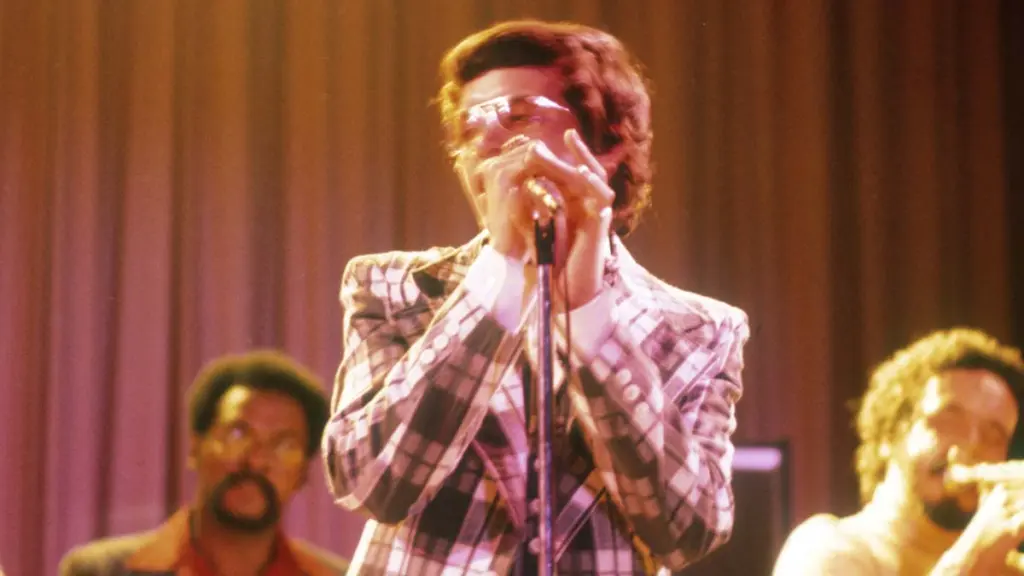
Héctor Lavoe was one of the greatest and most influential singers in salsa history, helping define the sound of New York salsa as it grew into an international phenomenon. Known as “El Cantante de los Cantantes” (the singer of singers), he was celebrated for his unmistakable voice, brilliant improvisation, and ability to bring humor, heartbreak, and personality to every performance.
Born Héctor Juan Pérez Martínez in Ponce, Puerto Rico, Lavoe grew up listening to traditional Puerto Rican music before moving to New York as a teenager. In 1967, he joined trombonist Willie Colón‘s band, beginning one of the most important partnerships in salsa history. Colón’s powerful, trombone-driven arrangements and Lavoe’s charismatic singing helped establish the sound of New York salsa, producing classics such as “Aguanile,” “La Murga,” and “El Día de Mi Suerte.”
Lavoe launched his solo career with La Voz (1975), a gold-selling album featuring “Mi Gente” and “El Todopoderoso.” He followed it with De Ti Depende (1976), which included “Periódico de Ayer,” and Comedia (1978), featuring “El Cantante,” written by Rubén Blades. The latter became his signature song and cemented his identity as “El Cantante de los Cantantes.” He was also a prominent member of the Fania All-Stars, whose featured singers also included Celia Cruz, performing for audiences around the world and helping bring salsa to international prominence.
Lavoe was a master sonero, known for his spontaneous improvisations, quick wit, and remarkable connection with audiences. His music could be playful, defiant, or deeply emotional, sometimes within the same song. More than three decades after his death in 1993, his recordings remain essential to salsa, and his voice is still one of the most recognizable on salsa dance floors around the world.